Hot Pressed Boron Nitride Ceramic Rods are now available for use in high temperature push rods for dilatometers. These rods offer strong performance in extreme heat environments. They keep their shape and size even when temperatures rise above 2000°C. This makes them ideal for precision instruments like dilatometers that measure thermal expansion.
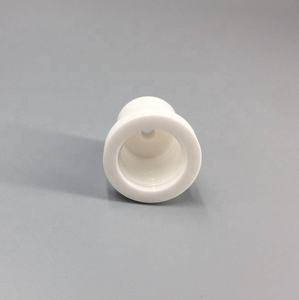
(Hot Pressed Boron Nitride Ceramic Rods for Manufacturing High Temperature Push Rods for Dilatometers)
Manufacturers need reliable materials that do not warp or degrade under stress. Hot pressed boron nitride meets this need. It has low thermal expansion and high thermal conductivity. It also resists chemical attack from many molten metals and slags. These traits help ensure accurate measurements during testing.
The production process uses hot pressing to create dense, uniform rods. This method removes pores and boosts mechanical strength. The result is a smooth, consistent product that fits tightly into dilatometer assemblies. Users report fewer failures and longer service life compared to older materials.
Companies working in aerospace, metallurgy, and advanced ceramics benefit most from this upgrade. Their processes often involve repeated heating cycles and tight tolerances. Using these boron nitride rods reduces downtime and improves data reliability. Maintenance costs also go down because the rods last longer.
Suppliers have increased stock to meet growing demand. Lead times are short, and custom lengths or diameters are available on request. Quality control checks happen at every stage of production. Each batch comes with full test reports for traceability and compliance.
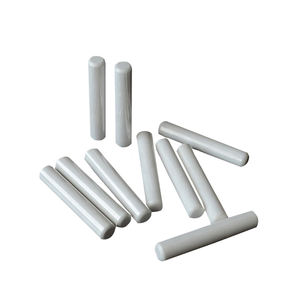
(Hot Pressed Boron Nitride Ceramic Rods for Manufacturing High Temperature Push Rods for Dilatometers)
Engineers looking to improve their dilatometer systems can now switch to this proven solution. It works well in both research labs and industrial settings. The material performs without needing special handling or extra safety steps.