Tech companies and content creators are now focusing on a new SEO strategy: optimizing for Google’s Definition Cards and dictionary sites. These features appear at the top of search results when users look up word meanings or quick facts. Getting listed there can drive more traffic and boost visibility.
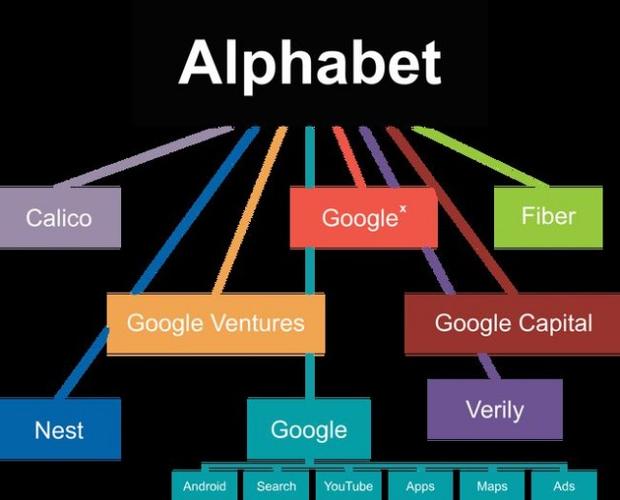
(Optimizing for “Google’s Definition Cards” and Dictionary Sites)
Google pulls information for these cards from trusted sources. Sites like Oxford Learner’s Dictionaries, Merriam-Webster, and Wikipedia often appear. But other websites can also qualify if they meet certain standards. Clear structure, accurate definitions, and authoritative content are key.
Experts say using simple language helps. Pages should define terms early and clearly. Avoid jargon. Keep sentences short. Use headings like “Definition” or “Meaning” so Google can easily find the right part of the page.
Schema markup is another useful tool. Adding structured data tells search engines what the content is about. This makes it easier for Google to pull snippets into Definition Cards. Not all sites use this, but those that do see better results.
Content must also be original. Copying definitions from other sites will not work. Google favors unique, well-written explanations. Regular updates help too. Outdated information may hurt rankings.
Many publishers have already seen success. A small education blog reported a 40% increase in traffic after tweaking its glossary pages. Another site saw its definition snippet appear for competitive terms like “machine learning” and “blockchain.”
(Optimizing for “Google’s Definition Cards” and Dictionary Sites)
The trend shows no sign of slowing. As voice search grows, users want fast, clear answers. Definition Cards deliver exactly that. Sites that adapt now will likely gain an edge in search visibility.